
At first, drinking can reduce fears and take your mind off of your troubles. It can help you feel less shy, give you a boost in mood, and make you feel generally relaxed. In fact, alcohol’s effects can be similar to those of antianxiety medications.
Like what you’re reading? Subscribe to our newsletter and get the same great content delivered straight to your inbox!
If your treatment plan includes medication, your psychiatrist will prescribe and manage it. If needed, your psychiatrist can also refer you to a Talkiatry therapist. If you’re regularly experiencing some or all the symptoms listed above, it’s important to seek professional help immediately. Our brains will then attempt to bring balance back to our brains by ramping up excitatory neurotransmitters. I won’t tell you to make the same choice, but quitting alcohol for the foreseeable future is your best option if you want to break free of this cycle. But it’s hard to do that when those first few weeks or months are so difficult to get through as your brain tries to heal and adjust.
Are you struggling with anxiety and alcohol abuse?
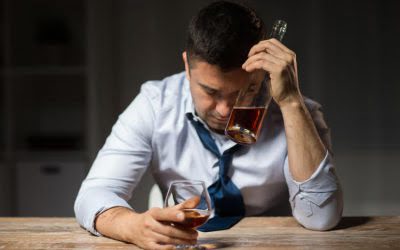
Even moderate amounts of drinking have been shown to increase cortisol production, which ultimately makes you feel more stressed, even in your daily life when you aren’t drinking anything. Bottom line, if you’re going to treat your anxiety and depression with medication, you especially do not want to continue drinking. It will seek to counteract the sedating effects of alcohol by releasing more excitatory neurotransmitters.
So, if you’re feeling the effects of last night’s drinking, and you’re ready to start feeling better, here are 7 things you can do right now to combat hangxiety. Drinking heavily over the long Drug rehabilitation term can cause disruptions to your brain’s normal chemical levels, leading to even more intense anxiety due to alcohol withdrawal. This reaction causes an influx of feel-good hormones like endorphins and serotonin. Plus, alcohol increases the activity of gamma-aminobutyric acid (GABA) receptors, which plays a central role in anxiety. When alcohol reaches the brain, it stimulates GABA activity, leading to feelings of ease and relaxation. After a night of drinking, many people experience the typical symptoms of a hangover—nausea, headache, fatigue, sensitivity to light and sound, dizziness, and shakiness.
Can Alcohol Cause Panic Attacks Or Worsen Anxiety Disorders?
This means it slows down brain activity and impairs various functions in the brain and body. This makes it a popular choice for self-medication, as people experience a temporary easing of anxiety and may feel more sociable. You deserve relief—and real freedom from the grip of anxiety and alcohol abuse. There are better ways to manage anxiety—ones that don’t backfire. Therapy, medication, and support groups offer lasting relief that helps you feel more like yourself again—without relying on alcohol to get there. If you’ve ever woken up after a night of drinking with racing thoughts and a pounding heart, you’ve felt it.
- When you drink, do you couple this with eating pretzels, pizza or sweets?
- A recent study suggests that being shy might be a subclinical indicator of social anxiety.
- Sign up for free and stay up to date on research advancements, mental health tips, mental health in the news, and expertise on managing mental health.
- Unfortunately, using alcohol only worsens mental health issues in the long run.
Acceptance and commitment therapy (ACT)
Occasionally, Dr. Lin may recommend that additional therapy is needed and ask that you bring a therapist into your care team in order to provide the best outcome. Dr. Lin received his medical degree from St. George’s University School of Medicine. He went on to complete his residency in psychiatry at Harvard South Shore, an affiliate of Harvard Medical School, where he served as Chief Resident and earned his 360° Professionalism award. He then had additional training in Addiction Psychiatry through his fellowship at the University of Texas Southwestern Medical Center. He specialized in treating patients with a history of depression, anxiety, trauma, and substance use disorders.
Chronic alcohol use can damage nerve cells in the brain, leading to anxiety disorders. Despite this lack of clarity, it seems that there could be a relationship between the two. Anxiety can lead to alcohol abuse, as people drink to self-medicate or escape their feelings. There is no one answer to the question of why people drink alcohol.
Dealing with hangxiety
Mindfulness meditation helps you cultivate self-awareness as you learn to observe your thoughts and feelings without judgment. This can also help you place some distance between feeling triggered and acting on it, meaning you’ll gain more control over your reactions as you learn to self-regulate your emotions. Breaking the cycle of anxiety and alcohol dependence is a complex process and is best taken on with professional support. Join our global mission of connecting patients with addiction and mental health treatment.

When combined, the results are even more intense than if experienced separately. Beyond its interference with mental health treatments, alcohol also takes a toll on physical health, which can indirectly worsen anxiety. Chronic alcohol consumption is linked to liver damage, cardiovascular issues, and disruptions in https://ecosoberhouse.com/ sleep patterns, all of which can exacerbate feelings of stress and unease. Throughout recovery, we provide specialized mental health treatment addressing anxiety disorders through targeted therapy and medication management when appropriate. Our integrated approach ensures coordinated care for both conditions. There is an ongoing relationship between alcohol and anxiety and anxiety after drinking.
Generally, the more you drink, the more intense your hangover symptoms might be, and the worse you are likely to feel. While for some people, it’s mild nerves, for others, it’s a wave of anxiety that feels impossible to ride out. The “Sunday scaries” may make you feel panicked, filled with dread and unable to relax. Anxiety disorder symptoms can disrupt a person’s life, making it difficult to work, participate in social events, and maintain relationships. In fact, drinking can change the chemistry of the brain in a way that actually makes anxiety worse. Knowing how alcohol affects anxiety may make it less tempting to have a drink to cope.
- It may increase heart rate and exacerbate feelings of nervousness.
- They include generalized anxiety disorder, social anxiety disorder, and specific phobias.
- While alcohol might seem like a way to unwind, it can have the opposite effect the next day.
- Those who use alcohol to cope with their anxiety often find that it bounces back even stronger when they stop drinking.
- The brain attempts to restore balance by reducing the sensitivity of GABA receptors and increasing excitatory neurotransmitters like glutamate.
If you or someone you know thinks they’re experiencing DTs or other forms of severe alcohol withdrawal, get emergency help immediately. Because of these potentially deadly symptoms, a person struggling with AUD should never attempt to quit alone. Instead, they should only quit under the care and watch of a specialized rehab facility for professional treatment. Someone who tries to stop drinking on their own may experience frequent episodes of anxiety. To find out how we can help you to overcome your anxiety and alcohol misuse, get in touch today. Excessive drinking can cause anxiety, both in the short and long-term.
In the United States, “moderate” typically refers to two drinks a day for adult men and one for women. Older adults metabolize alcohol faster, so if you’re alcohol anxiety in this age group, limit yourself to one alcoholic beverage per day. Ask your doctor if moderate alcohol consumption is suitable for you. Drinking excessive amounts of alcohol can also have noticeable physical and mental consequences.